
Understanding Chronic Knee Pain
Chronic knee pain can quietly take away the everyday things you love — climbing stairs, sitting on the floor for a meal, playing with grandchildren, or simply walking without wincing. At Vedshri Traditional Herbal Clinic in Chhatrapati Sambhajinagar, we treat chronic and long-standing knee pain using 100% natural herbs and traditional bone-setting methods, without surgery or chemical painkillers.
Common Causes
- Age-related wear and tear of the knee joint (osteoarthritis)
- Old, poorly healed injuries or ligament strain
- Excess body weight placing pressure on the joints
- Prolonged standing, squatting or floor-sitting occupations
- Weak surrounding muscles and poor joint nutrition
Symptoms to Watch For
- Pain while climbing stairs, sitting down or standing up
- Stiffness in the knee, especially in the morning
- Swelling or mild warmth around the joint
- A clicking or grinding sensation on movement
- Reduced ability to fully bend or straighten the knee
Our Traditional Treatment Approach
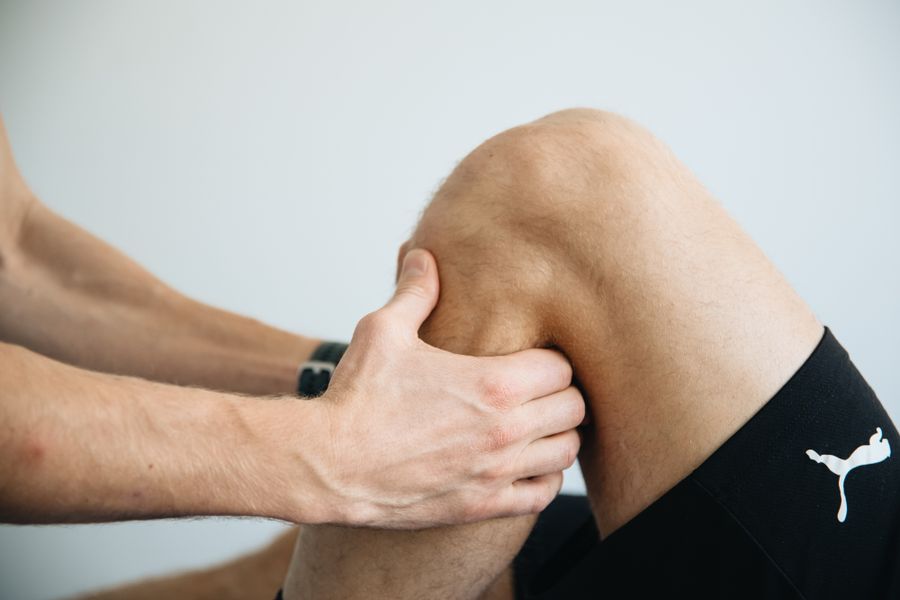
Our vaidyas begin with a hands-on examination of the knee joint, movement range and gait to understand the root cause rather than only the symptom. Based on this, a personalised herbal treatment plan is prepared — combining traditional oils, herbal pastes and gentle traditional bone-setting techniques designed to improve circulation, reduce inflammation naturally, and support the joint's own healing process.
Frequently Asked Questions
Is this treatment suitable for arthritis-related knee pain?
Yes. Many of our patients come to us with age-related and arthritis-related knee pain. Our vaidya examines the severity of the condition first and then recommends a suitable traditional treatment plan.
Will I need surgery?
Our approach is completely non-surgical and herbal. Most chronic knee pain cases respond well to traditional treatment when started early and followed consistently.
How many sittings are usually required?
This depends on the severity and duration of the problem. The vaidya will give you a realistic estimate after the first examination.